

Understanding the psychology behind gambling behaviors in casinos
The Allure of Gambling: Psychological Triggers
The psychology of gambling is a complex interplay of various factors that draw individuals to casinos. One significant psychological trigger is the anticipation of winning. The thrill of possibly hitting a jackpot can create a euphoric rush, releasing dopamine, a neurotransmitter linked to pleasure. This excitement can overshadow the inherent risks of gambling, leading individuals to engage in betting behaviors that may be detrimental in the long run. Casinos capitalize on this rush by providing an environment filled with stimulating sounds and visuals that reinforce positive feelings associated with gambling. For instance, many users are drawn to platforms like winwin, which offer immersive gaming experiences.
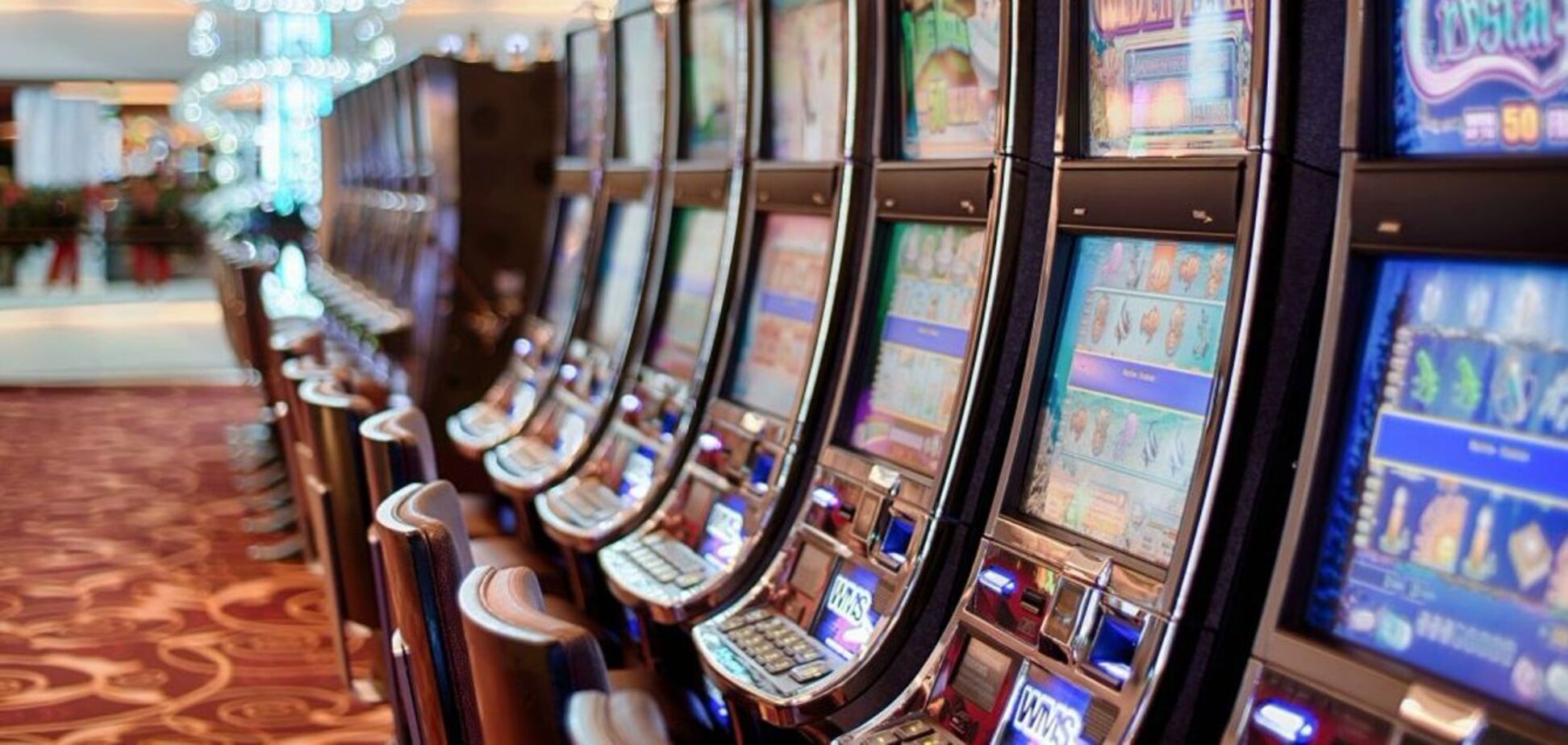
Moreover, social interactions in casinos contribute to gambling’s allure. Many people find the experience of playing games with others to be enjoyable and exciting, fostering a sense of community. This social aspect can be particularly appealing for individuals seeking companionship or validation. The shared excitement of watching a game unfold or cheering for a fellow gambler enhances the experience, making it difficult for players to resist returning to the casino for more interaction and thrill.
The design of casinos further exploits psychological principles. Bright lights, vibrant colors, and the absence of clocks create an immersive environment where time seems to stand still. Such atmospheric elements encourage extended stays, leading to increased gambling. The strategic placement of games and the layout of casinos are all optimized to keep players engaged and distracted from the reality of their expenditures. Understanding these psychological triggers provides insight into why gambling can become an irresistible pursuit for many.
The Role of Cognitive Biases in Gambling
Cognitive biases play a crucial role in shaping gambling behaviors. One of the most prevalent biases is the illusion of control. Many gamblers believe they can influence outcomes through skill or strategy, especially in games like poker or blackjack. This false sense of control leads individuals to gamble more frequently and more heavily, often ignoring the random nature of games based on chance. This psychological trick can trap players into thinking they are more skilled than they actually are, leading to increased financial losses.
Another significant cognitive bias is the gambler’s fallacy, which involves the belief that past events influence future outcomes in random games. For example, a player might believe that after a series of losses, a win is “due” to occur. This faulty reasoning can perpetuate gambling behaviors, as players continue to wager based on these misconceptions rather than reality. Understanding such biases helps illuminate why many individuals persist in gambling despite unfavorable results.
Finally, the confirmation bias reinforces existing beliefs among gamblers. When individuals win, they often focus on these successes while downplaying or rationalizing their losses. This selective memory can create an illusion of consistent winning, further motivating individuals to keep gambling in hopes of replicating past successes. This distorted perception of gambling can lead to compulsive behaviors, where players chase losses and ultimately end up in financial distress.
The Impact of Emotional State on Gambling Choices
Emotional state significantly influences gambling behaviors. Individuals often turn to gambling as a way to escape negative feelings such as stress, anxiety, or depression. The immediate gratification of a win can provide temporary relief, reinforcing the behavior. This escapism can create a cycle where individuals gamble to alleviate emotional pain, which may ultimately lead to more profound psychological issues, such as gambling addiction.
Conversely, positive emotions can also drive gambling behaviors. Celebrations or feelings of happiness may prompt individuals to seek out casinos to enhance their joy. This connection between positive emotions and gambling can blur the line between social entertainment and compulsive behavior. When combined, these emotional triggers create a complex landscape where gambling seems like an attractive option, regardless of the potential risks involved.
The effects of emotional states on gambling also extend to decision-making processes. High emotional arousal can lead to impulsive gambling decisions, with players often placing larger bets or continuing to gamble despite previous losses. By understanding these emotional factors, individuals can better recognize their motivations for gambling and make more informed choices, which may help mitigate the risks associated with compulsive gambling.
The Risk of Gambling Addiction
Gambling addiction is a serious psychological condition characterized by compulsive gambling behavior that disrupts an individual’s life. Understanding the warning signs is essential in recognizing when gambling has crossed the line from entertainment to addiction. Common symptoms include an inability to control gambling habits, constant preoccupation with gambling, and chasing losses. Individuals may also experience withdrawal symptoms, such as irritability or restlessness, when not gambling.
The societal impact of gambling addiction is profound, affecting not only the individuals struggling with the condition but also their families and communities. Financial problems can lead to a cascade of negative outcomes, including job loss, relationship breakdowns, and even legal troubles. It is crucial to address gambling addiction with awareness and understanding, as many individuals suffering from this condition may feel shame or isolation, making it harder for them to seek help.
Fortunately, resources are available for individuals facing gambling addiction. Treatment options range from counseling and support groups to medication that can help address underlying psychological issues. Raising awareness about gambling addiction, its signs, and available resources is vital in creating a supportive environment where individuals can seek help without stigma or judgment.

Winwin Casino: A Safe Gaming Environment
Winwin Casino & Sports Betting is committed to providing a secure and user-friendly platform for gambling enthusiasts. With a focus on responsible gaming, the platform emphasizes awareness of gambling behaviors and encourages players to engage in a safe manner. This initiative aims to reduce the risk of gambling addiction by promoting responsible gambling practices and providing resources for players who may need assistance.
The casino’s comprehensive support system includes educational materials on recognizing gambling addiction, alongside tools that allow players to set limits on their gaming activities. By fostering a responsible gaming culture, Winwin Casino empowers players to enjoy their gaming experience while remaining mindful of the psychological factors that can influence their behaviors.
In conclusion, understanding the psychology behind gambling behaviors is essential for creating a safe and enjoyable gaming environment. Winwin Casino not only offers an extensive range of betting options but also prioritizes player safety and well-being. By addressing the psychological aspects of gambling and fostering responsible practices, Winwin is dedicated to providing a premier gaming experience while helping to raise awareness about gambling addiction.